Characteristics, Uses, and Advantages of Marble
I. Characteristics
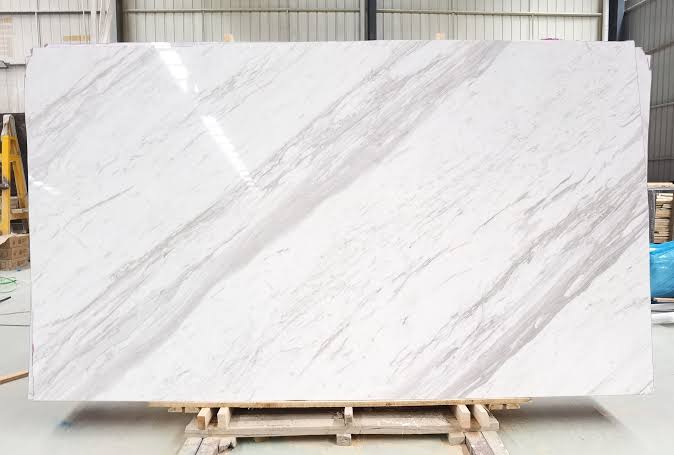
Marble is a metamorphic rock formed by the recrystallization of limestone or dolomite under high temperature and pressure deep within the Earth’s crust. Its primary chemical component is calcium carbonate (CaCO₃), comprising over 50%, along with magnesium carbonate, calcium oxide, and silica. It has a Mohs hardness of 2.5 to 5,making it a medium-hardness stone that is relatively softer than granite. Its density is approximately 2.7 g/cm³. Marble exhibits a wide range of colors—white, gray, red, yellow, green, black, and more—with unique veining and patterns formed by impurities such as iron oxides and clay minerals. It can be polished to a smooth, lustrous finish with a warm, elegant appearance. However, marble is porous and prone to cracking due to natural fissures, and it is susceptible to acid etching and weathering, especially outdoors when exposed to acid rain.
Calacatta White
II. Uses
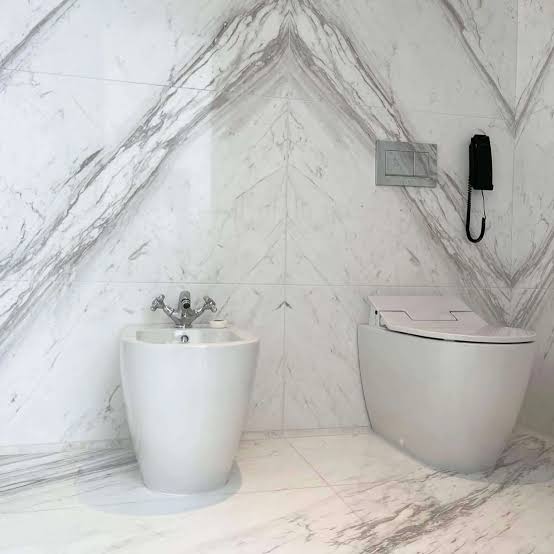
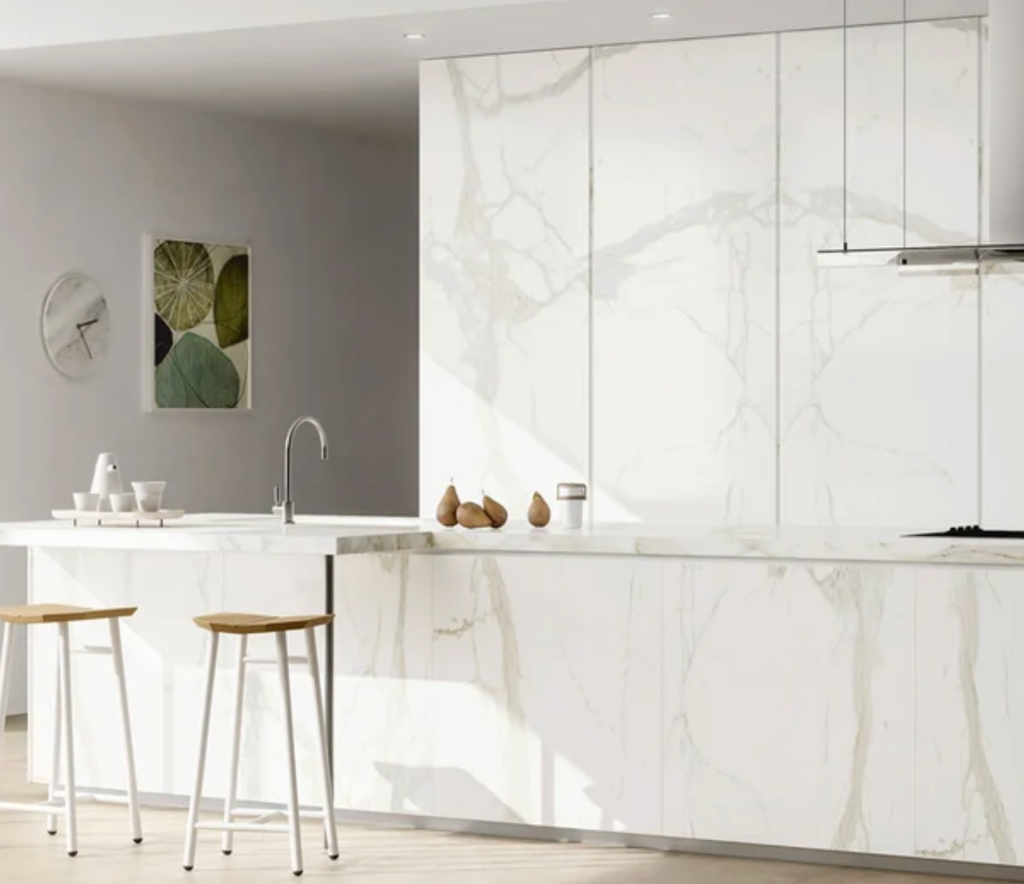
Marble is extensively used in building construction for interior and exterior applications, including wall cladding, flooring, stair treads, and columns. Indoors, it is commonly found on countertops, windowsills, fireplace surrounds, and in bathrooms, as well as in furniture and decorative objects like lamps and vases. In the arts, marble has been a preferred material for sculpture since antiquity, used by masters such as Michelangelo for countless iconic works. It is also frequently employed in monuments, tombstones, and memorial structures. Waste marble chips and dust from quarrying and processing are recycled into artificial stone, terrazzo, paints, and plastic fillers
III. Advantages
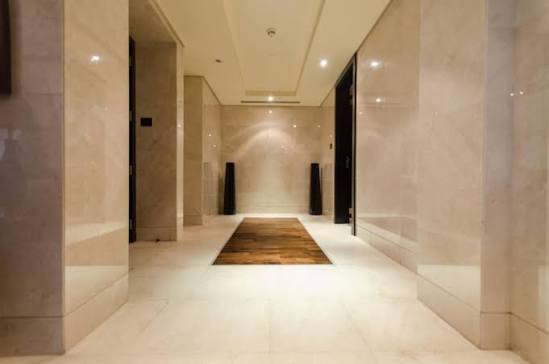
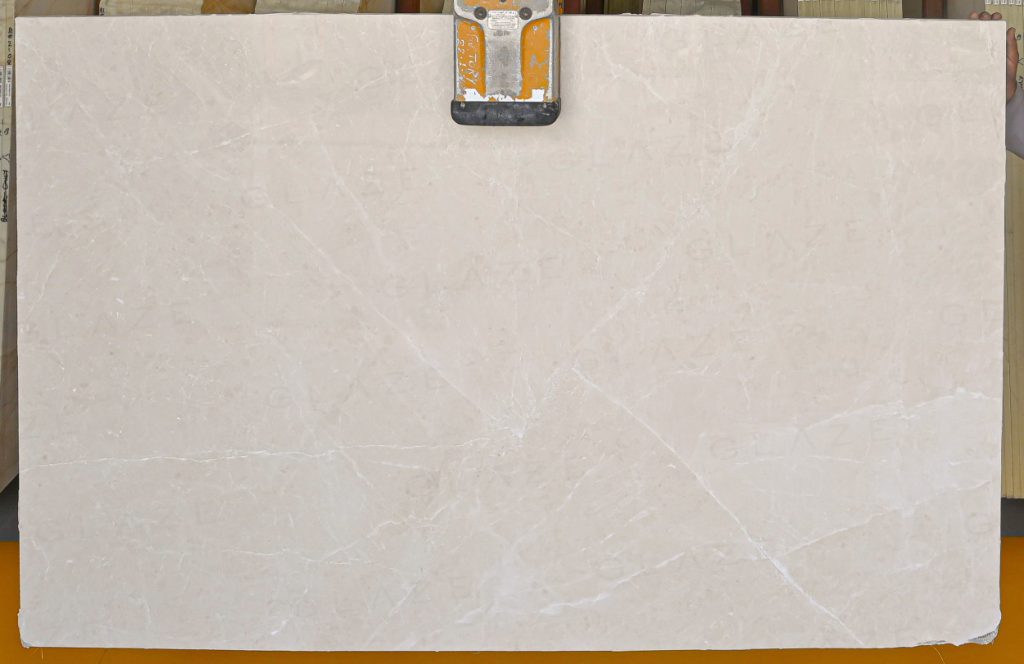
Crema Uno Beige
III. Advantages
- High Aesthetic Value: The unique colors and natural veining of each marble slab make it a one-of-a-kind decorative material. Its polished surface offers a warm, elegant, and luxurious appearance.
- Physical Stability: With a uniform crystal structure and minimal thermal expansion coefficient, marble is resistant to deformation over time. It also offers good abrasion resistance and a service life of 50 to 80 years.
- Excellent Workability: Compared to harder stones like granite, marble is relatively easy to cut, carve, and polish, allowing for fine detailing in both architectural elements and intricate sculptures.
- Non-Conductive Properties: Marble is a natural electrical insulator and is non-magnetic, making it suitable for specialized industrial applications.
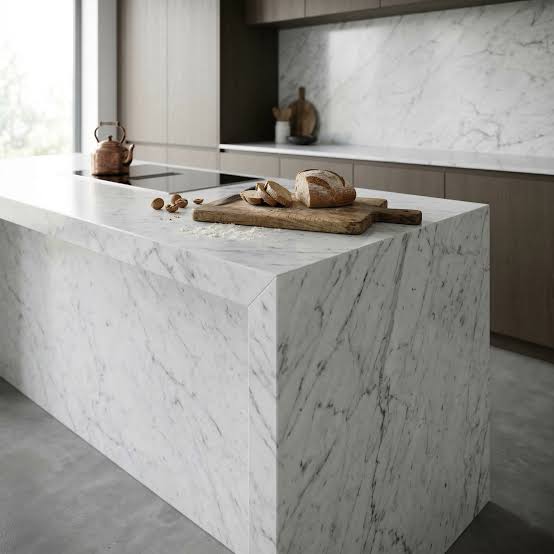
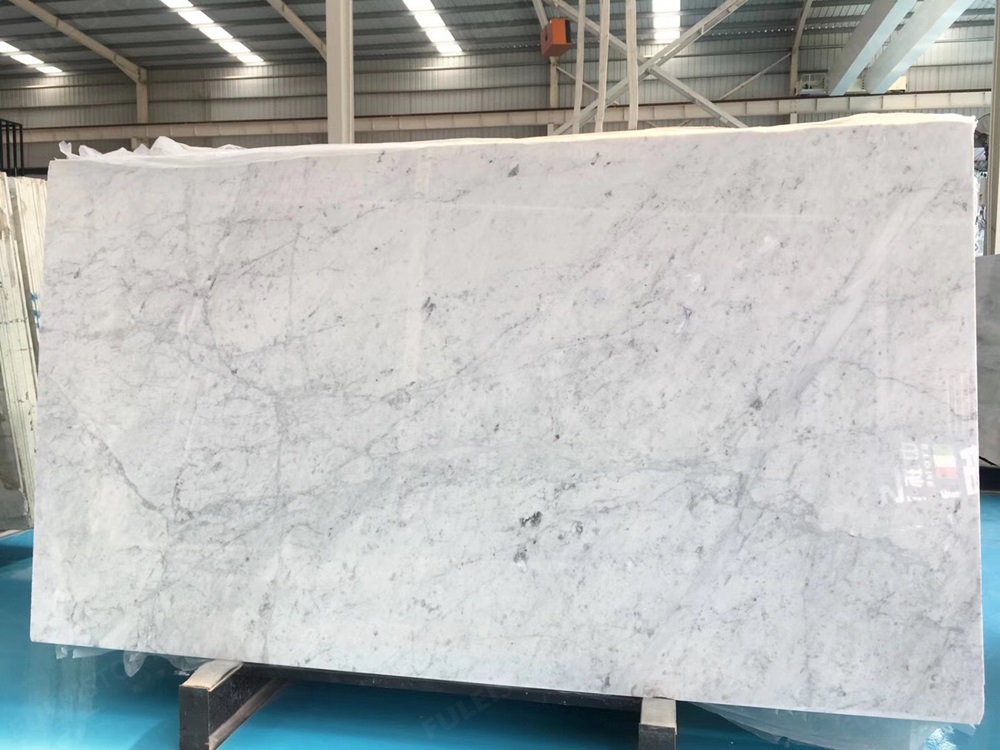
Bianco Carrara White
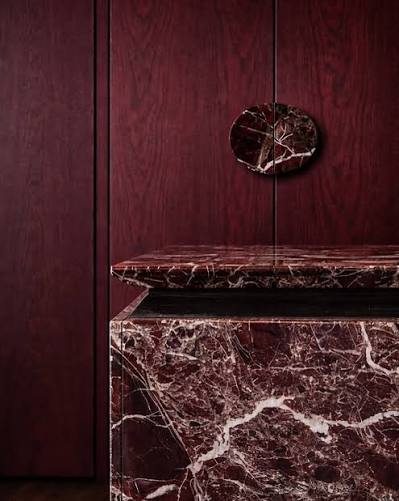
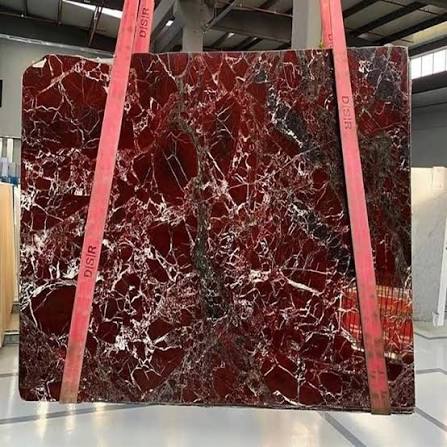
Rose Lavento
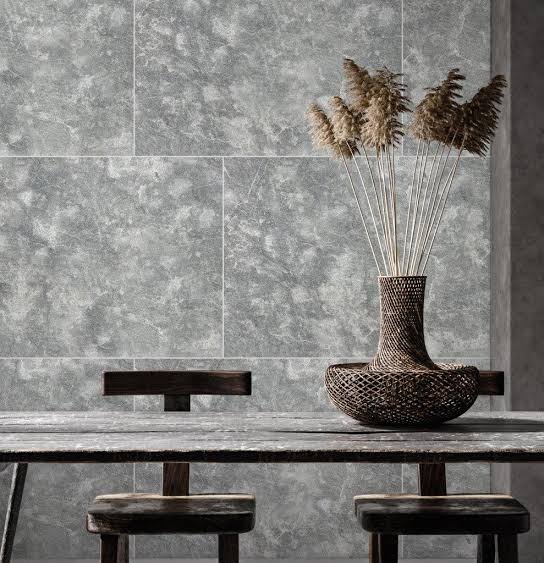
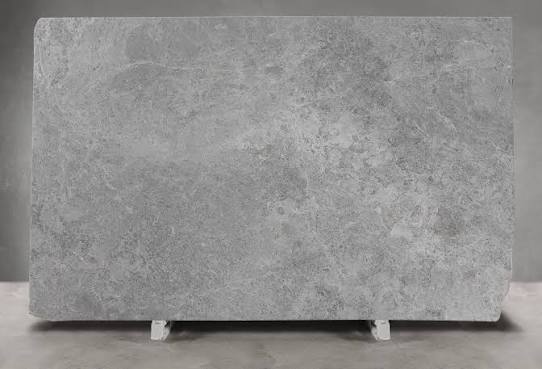
Tundra Grey
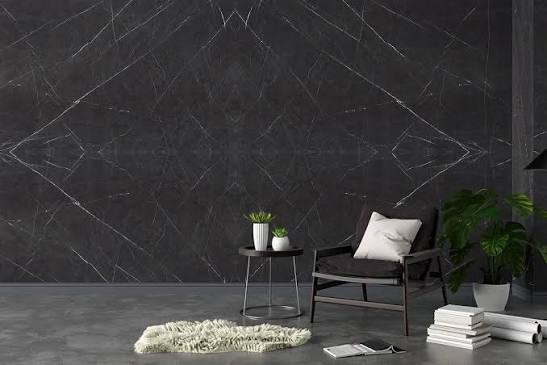
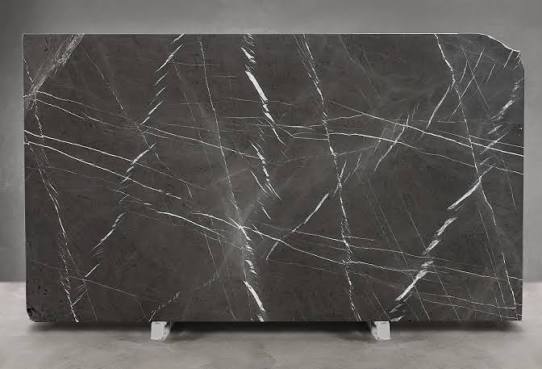
Pietra Gray
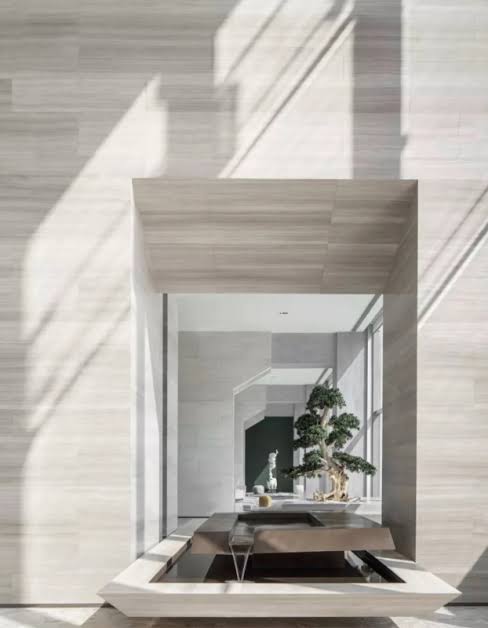
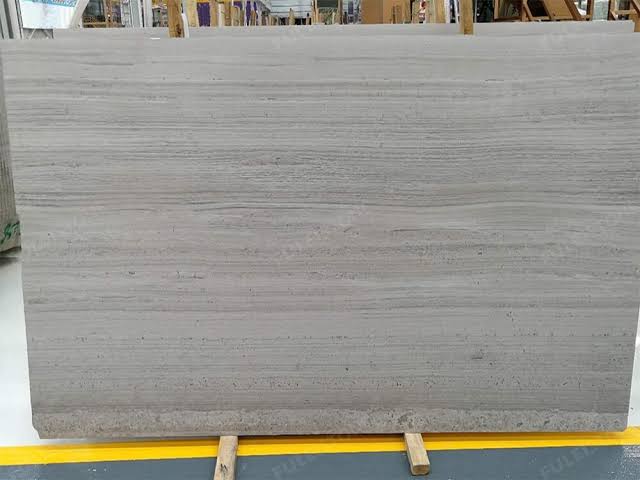
White Wood
Bianco Sivec White
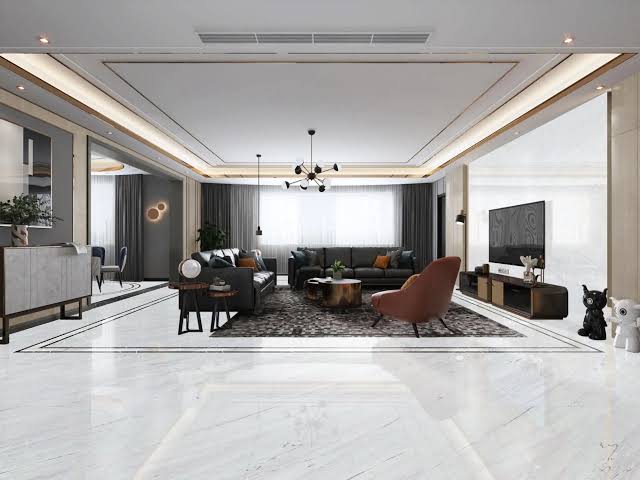
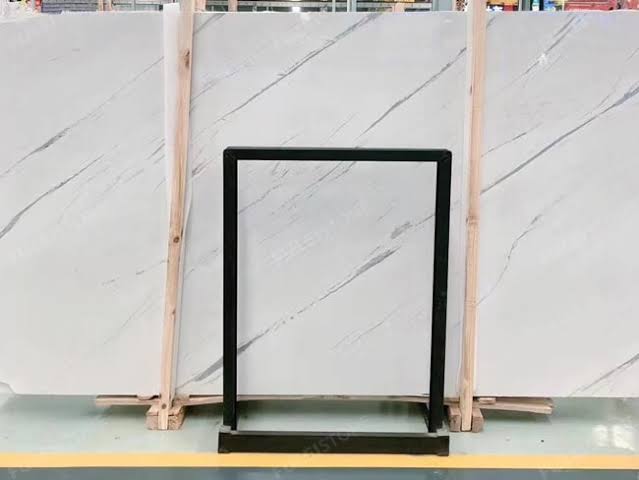
Ariston White
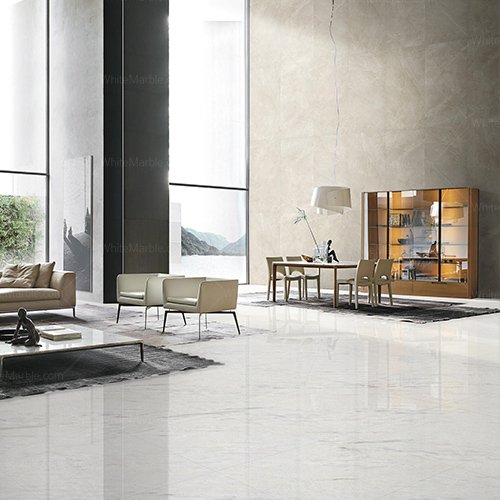
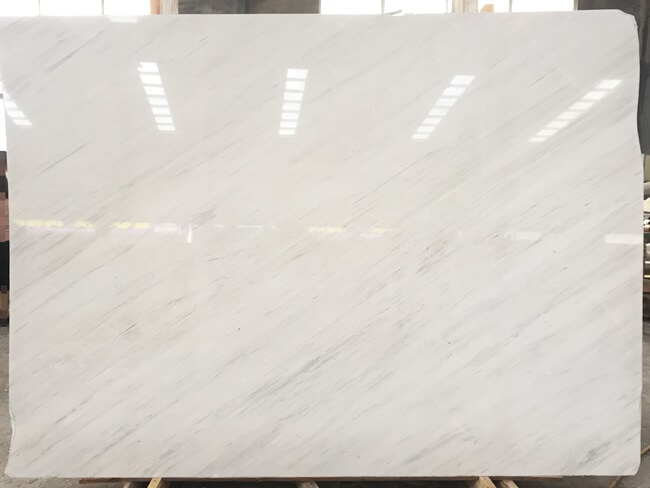
Volacas White